Botanical Differences and Flavor Architecture
When formulating premium confections, frozen desserts, or botanical fragrances, ingredient buyers frequently weigh the classic potency of Vanilla Planifolia against the exotic floral nuance of Vanilla Tahitensis. Indonesia is among the few global terroirs that cultivates both varieties with exceptional commercial quality.
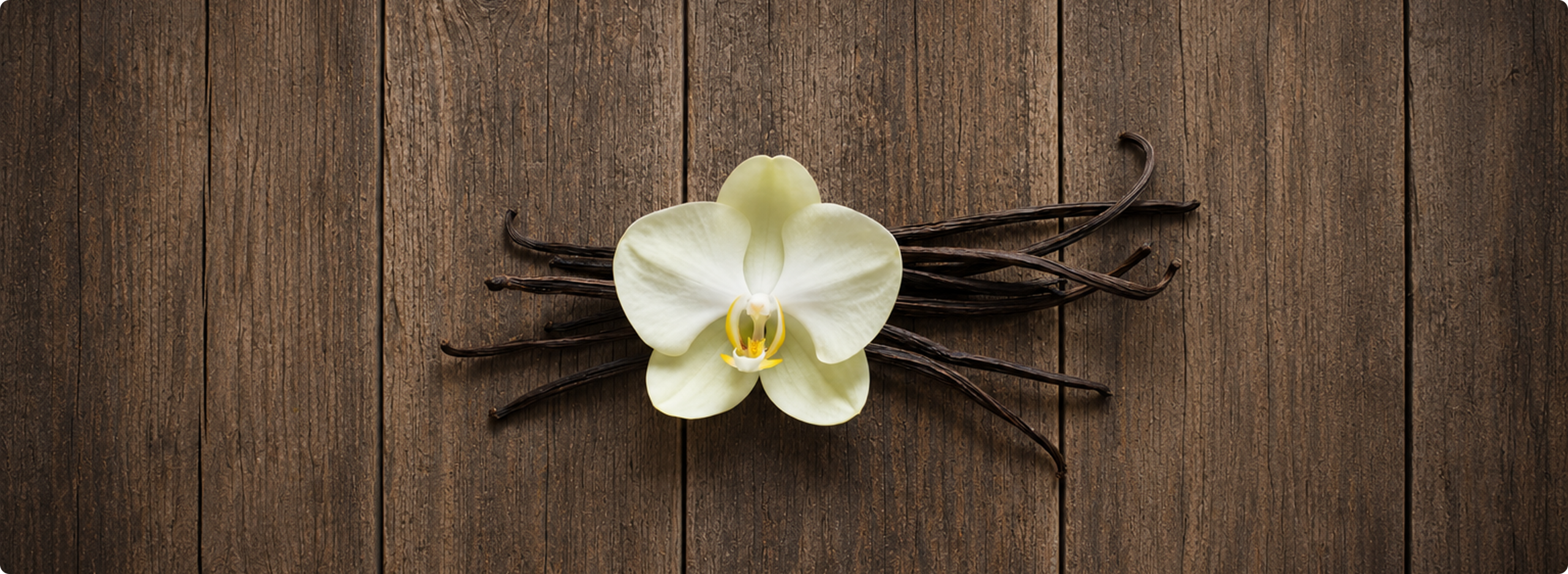
Vanilla Planifolia???often referred to as Madagascar-type or Bourbon vanilla???is distinguished by its slender, oily, dark brown pods packed with dense aromatic caviar. Its sensory profile is dominated by pure vanillin, delivering classic creamy, woody, and marshmallow-like notes that withstand high-temperature bakery and dairy pasteurization.
In contrast, Vanilla Tahitensis features plumper, moisture-rich pods with lower vanillin concentrations but higher levels of anisic acid and heliotropin. This produces an alluring bouquet of floral, cherry-fruit, and sweet licorice aromatics, making it the preferred choice for cold-process applications, artisan gelatos, and bespoke craft distillations.
“Matching vanilla species to thermal processing is key: Planifolia anchors heavy baked formulations with robust vanillin, while Tahitensis blossoms in cold-infused dairy and delicate gourmet patisserie.”
Key Takeaways
- Planifolia yields higher vanillin (1.8% – 2.4%), making it ideal for baking, chocolate, and beverage bases.
- Tahitensis offers delicate floral and fruit notes, excelling in perfumes, ice cream, and gourmet confectionery.
- Indonesian volcanic soils foster high natural oil contents across both species.