
The Multi-Stage Mastery of Vanilla Conditioning
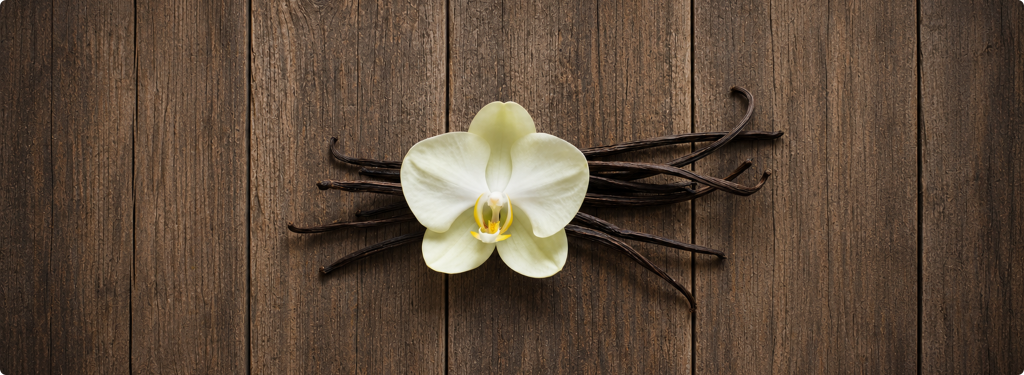
The journey from a freshly picked, unscented green orchid pod to a gourmet, crystal-frosted black vanilla bean is one of the most intricate and labor-intensive artisanal transformations in the agricultural world. In Indonesia's equatorial growing regions, curing is an art form refined over generations.
The process commences with the scalding or "killing" stage, where pods are briefly submerged in heated water to arrest biological vegetative growth and trigger the hydrolytic enzymes responsible for converting glucovanillin into natural aromatic vanillin. Precision in temperature and immersion time is essential to protect the delicate pod cellular walls.
Following scalding, beans enter the intensive sweating phase. During the day, they absorb gentle radiant heat under protective cloths on wooden sun decks; each afternoon, they are tightly bundled in wool or wax cloth and transferred into dense tropical hardwood sweat boxes to ferment overnight. This cyclic process gradually develops deep aromatic notes and supple flexibility.
“True vanilla curing cannot be accelerated by industrial shortcuts. The slow biochemical respiration inside hardwood sweat boxes is what gives Indonesian beans their legendary heat stability and rounded aromatic depth.”
Key Takeaways
- Gentle thermal scalding activates natural enzymes without rupturing exterior skin cells.
- Daily alternating sun exposure and insulated sweat box conditioning preserves optimal moisture (30-35%).
- Final slow conditioning in cedar boxes for 2-3 months locks in rich resinous undertones.